

Every piano has a story, some filled with decades of music, others waiting to be brought back to life. But when the tone dulls or the keys lose their balance, many owners wonder whether their instrument needs reconditioning or full restoration. At Gifted Strings, we often help clients make this decision by explaining not just what each process entails, but how it affects the piano’s sound, structure, and long-term value. We serve piano owners across Long Island, NY, including Nassau County and Suffolk County, and can evaluate your instrument in person.
Understanding Piano Reconditioning
Reconditioning improves how a piano plays and sounds without rebuilding the entire instrument. It’s best for pianos that are still structurally solid but showing moderate wear, perhaps the tone feels uneven, the keys feel sluggish, or the hammers are grooved from years of play.
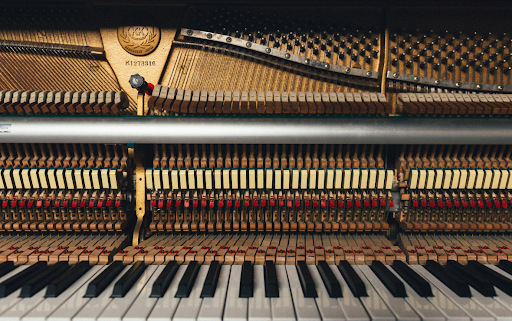
In this process, technicians may clean and regulate the action, replace felt and strings as needed, voice the hammers to balance tone, and polish the case. Reconditioning restores the piano’s responsiveness and warmth while preserving most of its original components.
For many families, schools, or musicians who want a playable and beautiful instrument without the investment of a complete rebuild, reconditioning by Gifted Strings offers a practical middle ground.
What Full Restoration Really Means
Restoration is a far more extensive transformation. The piano is disassembled, inspected, and rebuilt piece by piece. Soundboards, pinblocks, strings, hammers, and dampers are often replaced, and the finish is refinished or repaired. The goal is to return the instrument to its factory-level precision, or even surpass it through modern refinements.
This process requires deep craftsmanship and patience. At Gifted Strings, restoration projects can take months of careful work, from matching original materials to calibrating every mechanical movement. The result is not just a playable piano, it’s an heirloom reborn, capable of another century of music.
Quick Comparison:
-
Reconditioning: performance-focused improvements to action and tone, usually completed in weeks.
-
Full restoration: structural and mechanical rebuild, often taking months for a like-new result.
Which Option Fits Your Piano?
To decide between reconditioning and restoration, start with structural integrity, tuning stability, and sentimental value. If it holds its tune well, has no cracks in the soundboard, and simply needs liveliness and balance restored, reconditioning may be all that’s required.
However, if the piano struggles to stay in tune, has severe wear, or carries deep sentimental or historical value, restoration is the wiser choice. A full rebuild ensures the instrument’s longevity and enhances its musical richness.
Gifted Strings technicians often evaluate each instrument on-site, guiding owners toward the most cost-effective and musically satisfying solution. Their approach balances technical expertise with a genuine respect for the piano’s heritage and emotional significance.
Cost, Time, and Expectations
Reconditioning is typically faster and less expensive, often completed in weeks rather than months. Restoration requires significant investment, but its value lies in the transformation, an instrument that looks, feels, and sounds like new.
Regardless of which path you choose, ongoing maintenance is essential. Regular piano repair and tuning ensure the work done, whether minor adjustments or full rebuilds, continues to perform beautifully.
Final Thoughts
Your piano’s next chapter depends on more than its age; it depends on how you want it to sing again. Reconditioning can revive a beloved home instrument, while full restoration honors the craftsmanship and history of a timeless piece.
With Gifted Strings, every decision starts with understanding your piano’s unique story. Whether it needs a gentle refresh or a complete rebirth, we’ll recommend the most practical path and explain what results to expect. When you’re ready, schedule an evaluation so we can help restore its tone, balance, and elegance for the next generation.