

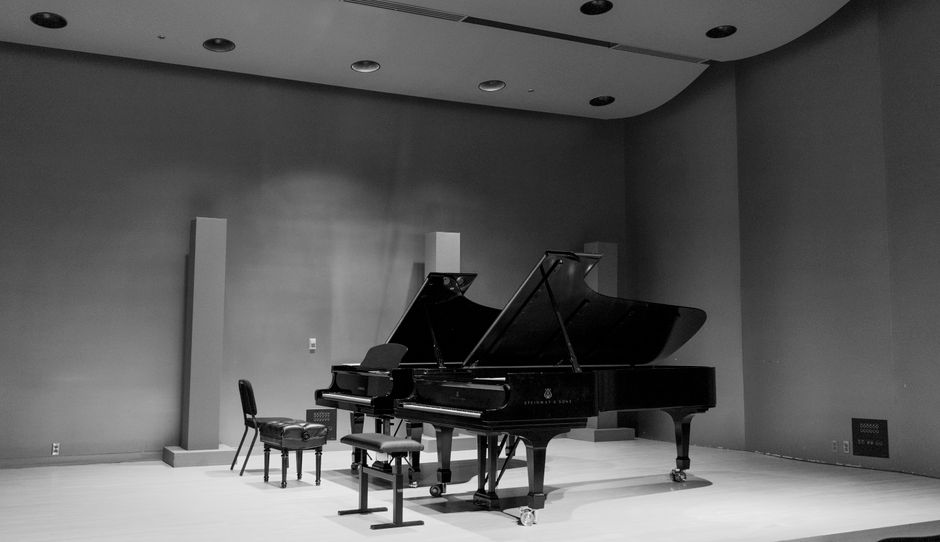
Piano Moving Services Protect Your Instrument From Day One
Piano moving services use trained crews, instrument-specific equipment, and careful planning to relocate a piano without treating it like ordinary furniture. For a Long Island home, school, venue, or rehearsal space, professional help is the safest choice for protecting the piano, your property, and everyone involved.
A piano can weigh 500 pounds or more, yet its internal action, finish, legs, pedals, and soundboard are vulnerable to impact, moisture, and sudden shifts. A qualified mover can handle local moves, room-to-room relocations, long-distance transport, and, in many cases, storage or post-move tuning coordination.
Before booking, confirm the company has piano-specific experience, appropriate insurance coverage, the right equipment for stairs or tight spaces, and a quote that explains all potential charges.
This guide explains what professional piano movers do, what a move may cost, and how to choose a team you can trust with a cherished instrument.

Why Professional Piano Moving Services Are Essential for Your Instrument
Pianos are marvelous engineering feats that combine massive mechanical force with delicate acoustic sensitivity. An upright or grand piano routinely weighs between 500 and 1,200 pounds—a true quarter-ton or more of iron, hardwood, and steel. Beyond sheer heft, the internal cast-iron plate holds tens of thousands of pounds of tension across hundreds of individual strings.
Because of this top-heavy weight distribution and fragile internal action, treating a piano like an ordinary piece of heavy furniture is a recipe for disaster. Attempting to lift or maneuver an instrument without dedicated training risks catastrophic structural vulnerability, permanent soundboard damage, ruined cabinet finishes, and severe personal injury, such as crushed fingers or spinal strains.
Furthermore, moving a piano requires protecting the architecture around it. Narrow staircases, historic banisters, hardwood flooring, and door frames can easily sustain thousands of dollars in property damage during an unguided attempt. Learn more about why instrument preservation matters in our guide on Protecting Your Instrument: Why Homeowners Trust Gifted Strings for Piano Moving.
Specialty Equipment Used in Specialized Piano Moving Services
Professional movers do not simply rely on brute strength. They employ specialized tools engineered explicitly to neutralize weight, absorb shock, and fit through tight spaces:
- Padded Skid Boards (Piano Boards): Heavy-duty wooden boards custom-fitted with dense foam and canvas straps, essential for securing grand pianos once their legs are detached.
- Rubber-Wheeled Dollies: Heavy-duty, non-marring dollies equipped with soft rubber tires to roll smoothly without scuffing, cracking, or denting hardwood, tile, or marble floors.
- Custom Protective Blankets & Padding: Thick, multi-layered quilted moving pads wrapped around the entire cabinet to guard against scratches, gouges, and climate variance.
- Climate-Controlled Air-Ride Trucks: Vehicles equipped with air-bag suspension systems to absorb road vibrations, combined with climate control to keep wooden soundboards stable during transit.
- Hoists and Crane Lifts: Specialized mechanical lifting equipment utilized for high-rise balconies or tight multi-story window entries where indoor staircases are impassable.
For step-by-step guidance on protective gear and methods, read our walkthrough on How to Safely Move a Piano: Tips for Transporting Your Most Treasured Instrument.
Comparing DIY, General Movers, and Dedicated Piano Moving Services
Choosing who handles your instrument comes down to risk, expertise, and liability. While DIY moving might appear economical at first glance, the lack of equipment and insurance makes it extremely hazardous. Standard household movers are excellent at packing boxes and couches, but they often lack the technical training required to disassemble grand piano legs or manage internal balance points safely. Dedicated piano moving services bridge this gap by placing trained instrument technicians at the helm of every move.
| Moving Option | Equipment Used | Floor & Property Protection | Technician Leadership | Insurance & Valuation | Risk Level |
|---|---|---|---|---|---|
| DIY / Friends | Basic straps, basic hand trucks | Minimal to none | None | None (Personal liability) | Very High |
| General Household Movers | Furniture pads, standard dollies | Moderate (Blankets, door pads) | Rare (General laborers) | Standard cargo ($0.60/lb standard) | Moderate to High |
| Dedicated Piano Movers | Skid boards, air-ride trucks, rubber dollies | Comprehensive (Floor runners, jamb guards) | High (Trained piano specialists) | Full replacement value & liability | Low |
Dedicated regional specialists across the country confirm that instrument-specific care, aligning with standards supported by organizations like the Piano Technicians Guild, is the national gold standard.

Types of Services Offered and How Much Piano Moving Costs
Professional piano relocation covers a wide spectrum of scenarios based on distance, setting, and purpose:
- Residential Relocations: Moving an upright or grand piano between single-family homes, apartments, or condominiums.
- Commercial & Institutional Transport: Relocating instruments for university music departments, school auditoriums, churches, and recording studios.
- Event & Concert Logistics: Time-sensitive transport of concert grand pianos for recitals, symphonies, outdoor festivals, and theatrical productions.
- Long-Distance Interstate Transport: Moving instruments across state lines using climate-controlled, air-ride freight transport.
- Room-to-Room Micro-Moves: Shifting an instrument internally within a home during hardwood floor refinishing, room painting, or structural remodeling.
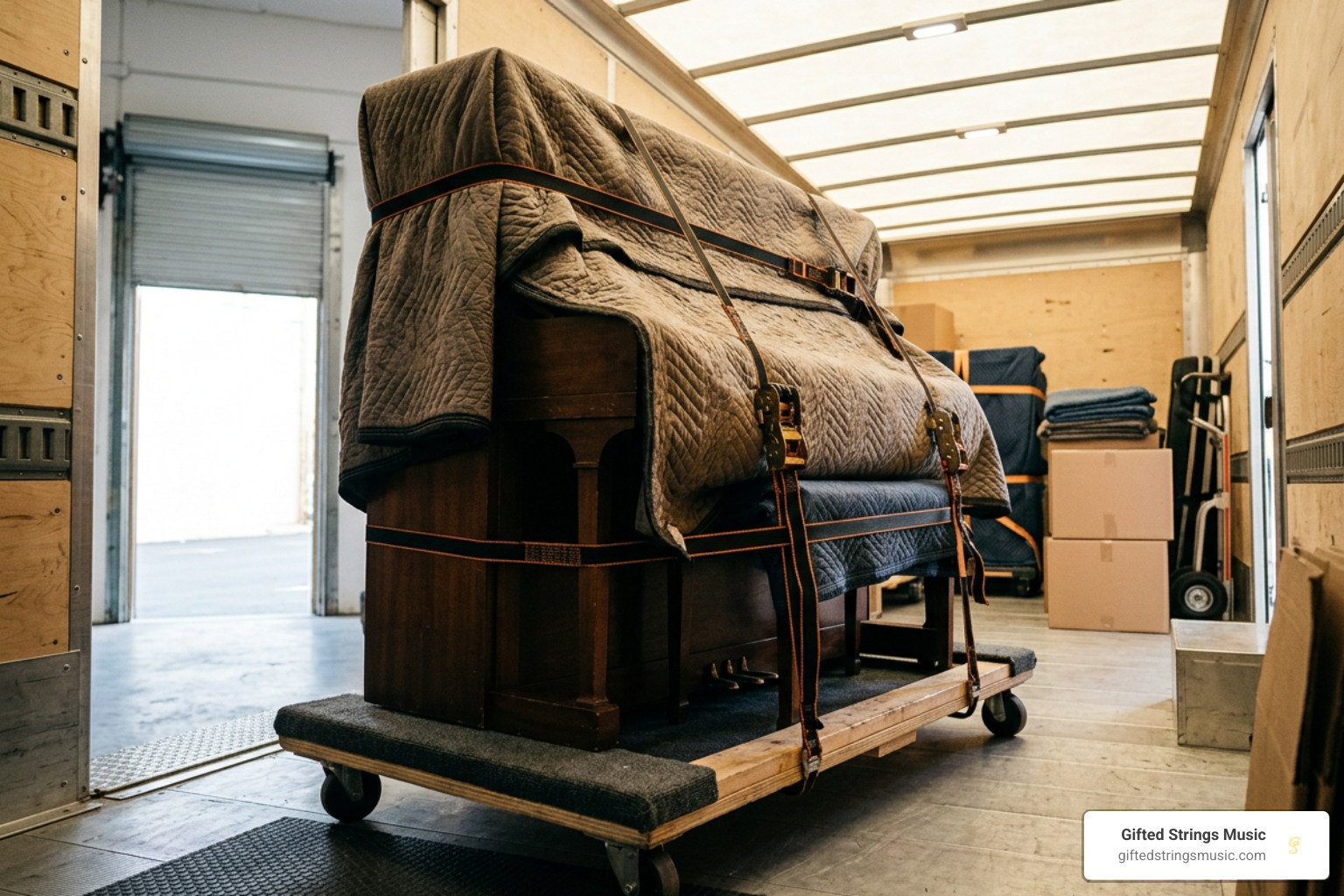
In terms of pricing, professional piano moving fees typically start around $350 for upright pianos and $400 for grand pianos. Final costs depend on several clear variables:
- Instrument Type and Size: Small spinets and console pianos require less crew strength than a 7-foot or 9-foot concert grand.
- Stairs and Obstacles: Spiral staircases, steep outdoor steps, grass pathways, and tight landing turns add labor and time fees.
- Distance and Fuel: Local moves usually carry a flat base rate plus step fees, whereas long-distance transport factors in mileage and climate storage.
- Special Equipment Requirements: Situations requiring crane assists, balcony hoisting, or rigging incur additional specialized equipment charges.
Comprehensive Services: Transport, Storage, Tuning, and Repair
Moving a piano often coincides with broader transitions in life or property. Premier service providers offer complete care packages that bundle transport with storage, pitch adjustments, and structural restoration.
If your new home is undergoing renovations or isn’t immediately ready, climate-controlled warehouse storage keeps your piano in a regulated environment (50–60% relative humidity, 65–70°F) to prevent the wooden pinblock and soundboard from drying out or cracking. Furthermore, transport can be combined with pitch correction, action regulation, or damage restoration. Learn how unified service saves time and money by reading Why Choosing One Company for Piano Moving and Repair Makes a Difference and exploring our specialized Piano Moving Service.
The Step-by-Step Process Professionals Use to Transport a Piano
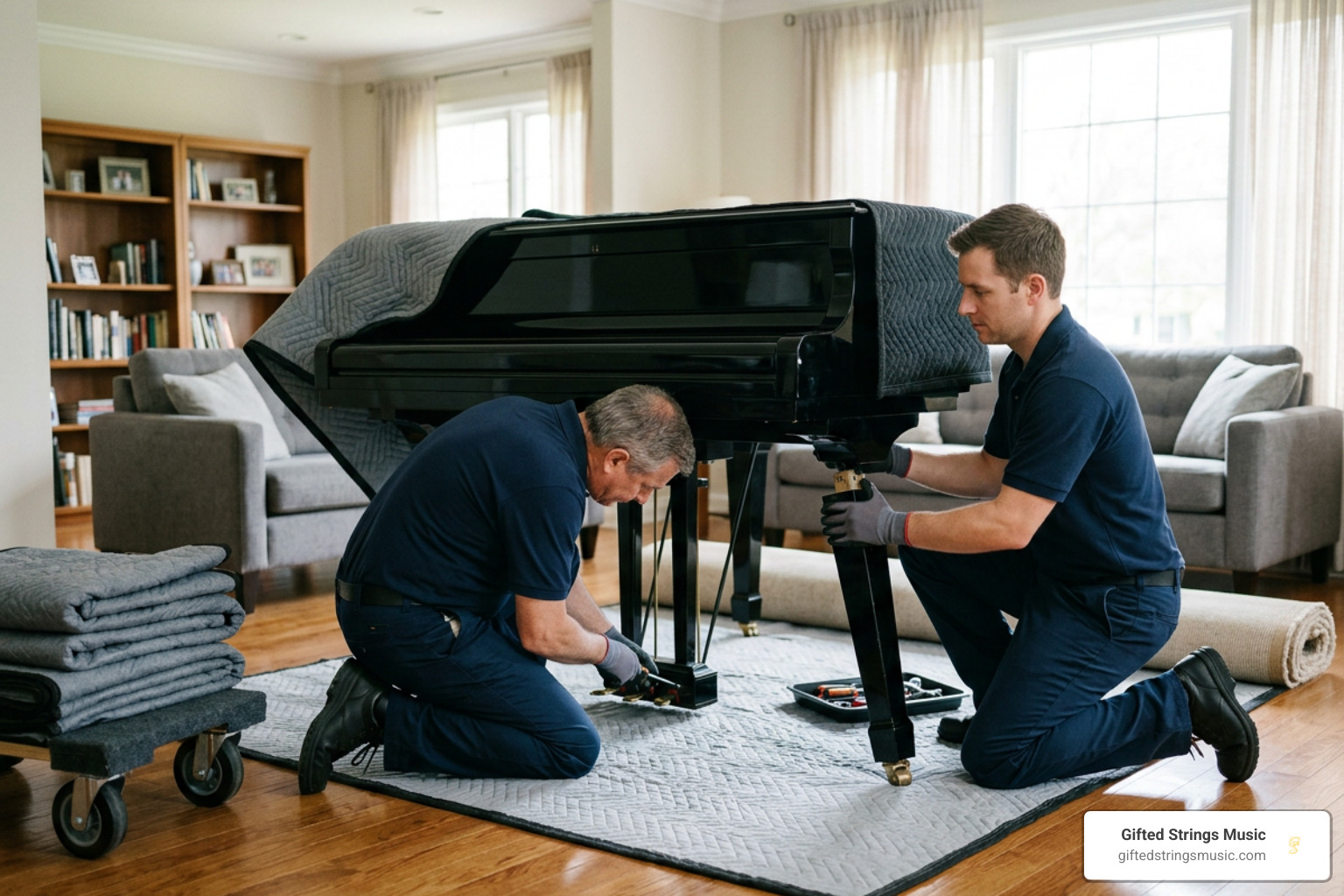
Understanding how professionals execute a move takes the anxiety out of moving day. Dedicated movers follow a strict, standardized sequence to keep both grand and upright pianos secure from start to finish.

- Pre-Move Inspection & Condition Documentation: The moving crew inspects the cabinet, finish, pedal lyre, and keybed, documenting any pre-existing scratches or structural wear with photos.
- Securing the Instrument: The keyboard lid is locked or securely padded, and the main lid is strapped tightly to prevent sudden opening.
- Disassembly (For Grand Pianos): The crew carefully removes the pedal lyre assembly and the front left leg. The piano is gently tilted down onto a custom-padded skid board, after which the remaining two legs are unbolted and removed.
- Quilted Pad Wrapping: The entire piano body is wrapped in thick, quilted moving blankets and bound securely with heavy-duty webbing straps.
- Navigating Passages and Stairs: Using rubber-wheeled dollies, floor runners, and padded ramp systems, the crew maneuvers the piano through doorways and down stairways.
- Securing in Transit: Inside an air-ride, climate-controlled truck, the padded skid board or upright piano is anchored directly to the vehicle walls using heavy logistics track straps.
- Destination Reassembly & Caster Placement: At the new location, the process is reversed. Legs and lyres are reinstalled, pad wrapping is removed, and rubber or hardwood caster cups are placed beneath the wheels to protect your floors.
For more details on how we protect your home during this process, read How Gifted Strings Makes Piano Moving Safe and Stress-Free.
How to Choose a Reliable Mover and Prepare Your Home
Selecting the right moving company requires looking beyond general online listings. Here is how to verify credentials and ensure a seamless experience:
- Verify Piano-Specific Credentials: Confirm that the company specializes in musical instruments rather than general household goods. Ask how many pianos their crews move weekly.
- Check Insurance and Valuation Limits: Ensure the company carries commercial liability insurance and specialized cargo valuation that covers the full market value of your instrument.
- Require Technician Experience: Ask whether crew leaders have background training in piano mechanics. For example, top specialized companies maintain strict standards where moving crews are led by experienced technicians.
- Confirm Service Region Coverage: Verify that the mover routinely operates in your specific region, whether on Long Island, across Greater New York, or interstate.
Before the crew arrives, prepare your residence by following our recommended home prep steps. Learn more about prepping your doorways and hallways in our comprehensive Home Prep Checklist: Make Piano Moving Day Smooth and Safe.
Essential Questions to Ask When Requesting a Quote
- Are your crews employees or third-party day laborers?
- What specific valuation coverage is included in the baseline quote?
- Does the estimate include all staircases, tight turns, or long walk distances?
- What specialized equipment (skid boards, crane lifts, air-ride trucks) will be used for my specific instrument?
- Do you offer precise arrival windows and courtesy phone calls prior to arrival?
Frequently Asked Questions About Piano Relocation
How long does a piano need to acclimate after a move before tuning?
Once a piano reaches its new home, it requires a minimum of 3 weeks to acclimate to the local indoor climate before it can be tuned effectively.
Pianos are constructed primarily of wood and felt, materials that expand and contract in response to changes in ambient humidity and temperature. Moving an instrument shifts its atmospheric exposure, causing the wooden soundboard to swell or shrink slightly. Tuning the piano immediately upon arrival is counterproductive because the soundboard will continue to settle over the subsequent weeks, pulling the strings back out of pitch. Waiting three to four weeks allows the wood fiber to stabilize.
Can piano movers handle room-to-room moves within the same home?
Yes! Professional movers routinely handle internal “micro-moves.” Whether you are refinishing hardwood floors, painting walls, remodeling a living room, or rearranging furniture, moving specialists can relocate your upright or grand piano to another room or store it safely on-site. Movers use specialized rubber-wheeled dollies and protective floor runners so that delicate flooring remains completely scratch-free during the transition.
How do movers transport a grand piano through narrow doors or multi-story stairs?
To pass through a standard interior door, a grand piano must be tipped onto its side. By removing the pedal lyre and legs and strapping the cabinet firmly to a padded skid board, the piano’s profile narrows significantly to roughly 20 to 24 inches wide.
For multi-story staircases with tight turns or spiral layouts, moving crews utilize extra lifting straps, multi-person spotter teams, and specialized stair-climbing equipment. In extreme architectural scenarios where stairwells or elevators are simply too narrow, movers utilize external crane assists to hoist the instrument safely through a balcony door or upper-story window.
Conclusion
A piano is far more than a decorative piece of furniture—it is a treasured investment, a sensitive acoustic instrument, and often a family heirloom rich with memories. Entrusting its relocation to trained, insured piano moving services guarantees that your instrument, flooring, and walls remain completely protected throughout every stage of the move.
At Gifted Strings Music, we bring over a decade of precision, fully insured, instrument-specific care to every relocation across Long Island. Backed by partnerships with schools, venues, and world-renowned musicians, our team handles everything from local residential moves and micro-relocations to climate storage, repairs, and post-move pitch restoration.
Once your instrument has settled into its new space, make sure its sound matches its beauty. Schedule your professional post-move piano tuning service today with our expert technicians!